
Intshayelelo
In an era where “contactless” is the gold standard, Ukuchongwa kweRadio Frequency (I-RFID) technology is everywhere. From tapping your credit card at a coffee shop to scanning your badge at the office, RFID makes life seamless. But as the search volume for RFID security spikes this year, a critical question arises: How easy is it for hackers to “air-tap” into your personal data?
If you’ve ever worried about electronic pickpocketing or data cloning, you’re not alone. Let’s break down the risks, the myths, and how you can stay protected.
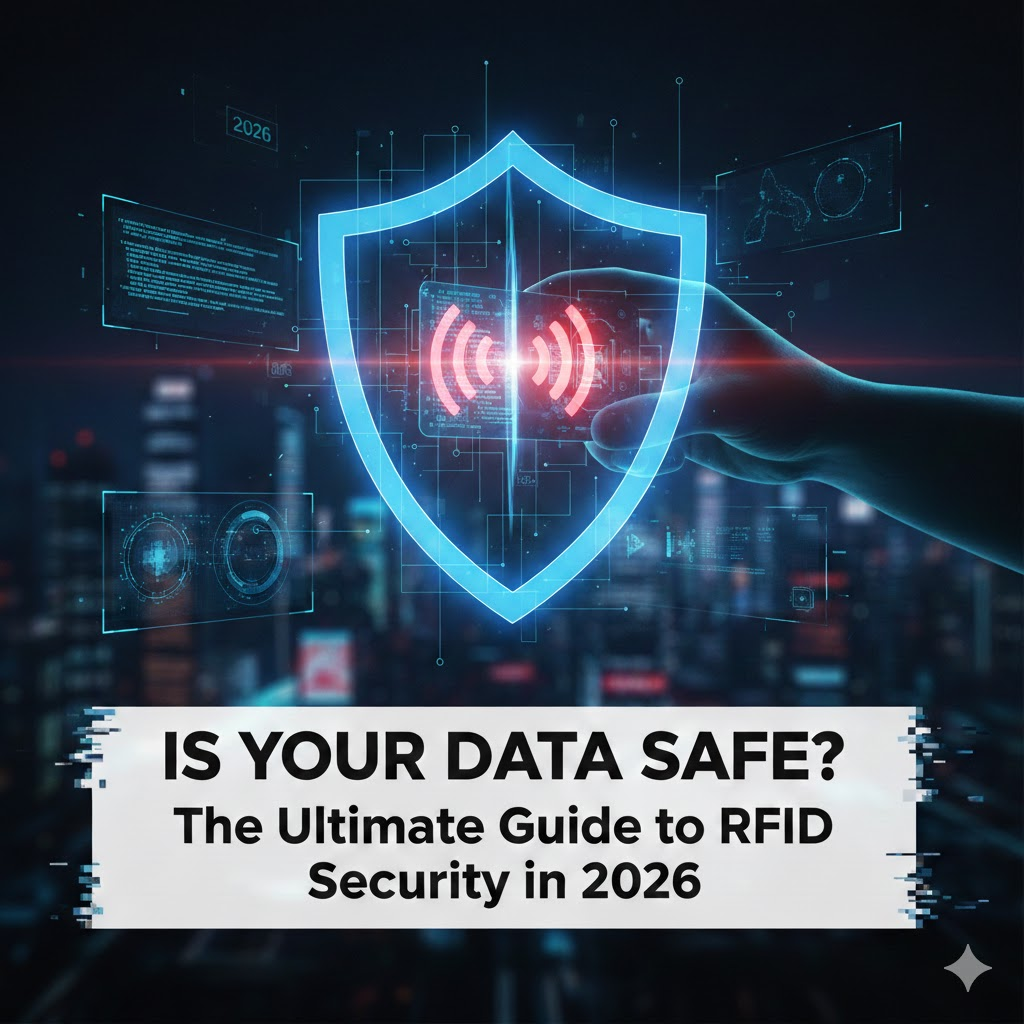
What is RFID Security?
At its core, RFID uses radio waves to identify and track tags attached to objects. Unlike barcodes, these tags don’t need a line of sight to be read. While this convenience is great for logistics, it creates a “security surface” that can be exploited.
RFID security refers to the measures—encryption, authentication, and physical shielding—used to prevent unauthorized parties from reading or altering the data stored on an RFID chip.
Common RFID Vulnerabilities
Hackers typically target RFID systems through three main methods:
-
Skimming: Using a rogue reader to capture data from a tag without the owner’s knowledge.
-
Eavesdropping: Intercepting the radio signal as it travels between a legitimate tag and a reader.
-
Cloning: Replicating the data from a legitimate tag onto a blank one to gain unauthorized access.
The Reality of the Risk: 2026 Data Trends
Is the threat overblown? Not exactly, but it is evolving. While modern credit cards use advanced EMV chips that are extremely hard to clone, many building access badges and supply chain tags still use older, unencrypted frequencies.
| RFID Frequency | Common Use Case | Security Level | Risk Factor |
| LF (125-134 kHz) | Animal ID, Access Control | Low | High (Easy to clone) |
| HF (13.56 MHz) | Credit Cards, Passports | High | Low (Encrypted) |
| UHF (860-960 MHz) | Logistics, Inventory | Medium | Moderate (Long-range) |
How to Boost Your RFID Security
Staying safe doesn’t require living in a Faraday cage. Here are the most effective ways to protect your data:
-
Shielding: Use RFID-blocking wallets or sleeves. These contain a layer of carbon fiber or metal that disrupts radio waves.
-
Encryption: Always opt for tags that support high-level encryption standards (like AES).
-
Two-Factor Authentication (2FA): For sensitive areas, use RFID in conjunction with a PIN or biometric scan.
Why Quality Tags Matter
Many security breaches occur simply because low-quality, “leaky” tags were used in a system that required higher protection. Choosing a reputable manufacturer ensures that the hardware itself isn’t the weakest link in your security chain.
Secure Your Future with Leadercolor
In the world of RFID, the bridge between convenience and catastrophe is quality. Whether you are managing a high-security facility or tracking high-value assets, you need tags you can trust.
Leadercolor specializes in premium RFID tags designed with the latest security protocols in mind. We don’t just sell tags; we provide peace of mind for the digital age.
Ready to upgrade your system’s security?
Don’t leave your data to chance. Qhagamshelana Umbala okhokelayo today for a professional consultation on the best RFID solutions for your business. Our experts are ready to help you build a safer, more efficient future!

I-YouTube: @Leadercolor
I-LinkedIn: @Leadercolor
I-tel: +86-755-89379391
I-imeyile: I-Sales@leadercolor.com
Iwebhusayithi yethu: www.leadercolor.com